
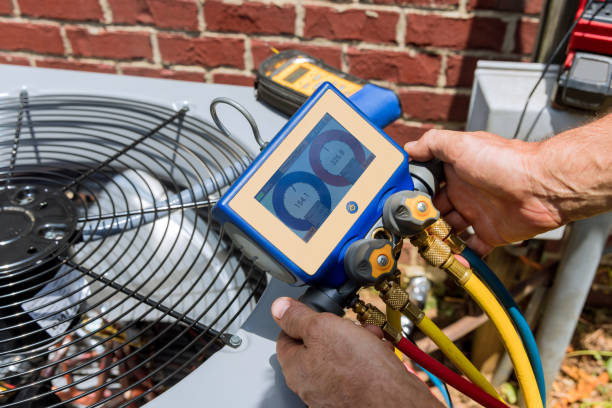
When your home feels too hot or too cold, it can ruin your day fast. In Colorado Springs, the weather can flip in hours. That puts extra strain on your system. As a result, small problems can turn into big ones overnight. You might hear a rattle, smell dust, or notice weak airflow. However, many fixes are simple when caught early. The hard part is knowing what’s normal and what’s not.
In this blog, we’ll break down HVAC repair challenges that show up in this area. You’ll learn what pros look for, why problems repeat, and what a smart repair plan looks like.
HVAC Repair Challenges in Colorado Springs Start with Weather Swings
Colorado Springs has fast warm-ups and sharp cool-downs. Therefore, parts expand and contract a lot. That stress can lead to heating system issues when your unit runs longer than usual. In fact, a small sensor problem can feel like a major failure on a cold night.
However, pros don’t guess. They check airflow, listen for odd sounds, and test safe start-up. As a result, they can spot the real cause before they swap parts. One homeowner may feel cold in just one room. That often points to a simple balance issue, not a full system failure.
When A Quick Fix Becomes an HVAC Repair Again
Many people try a fast reset and hope it sticks. However, the same problem often returns. That’s when HVAC repair needs a plan, not a patch. Pros focus on what caused the stop, not just the symptom.
They also look at wear patterns that tell a story. As a result, you avoid repeat visits. Here are a few signs you should stop waiting it out:
- Your system starts and stops too often
- A new sound shows up and won’t quit
- One area stays uncomfortable all day
In another visit, the tech may find cooling system repair needs because a small leak reduced performance over time.
Cold Snaps Reveal Hidden Wear Fast
A freezing week can push weak parts over the edge. Therefore, pros check the most stressed items first. That includes burners, igniters, and safety switches. If a unit won’t heat at all, furnace breakdown repair may be needed right away.
However, a full shutdown is not always the only clue. Some systems run but never reach the set temperature. In fact, that can mean a clogged filter or a failing motor. Later in the same season, many homeowners face HVAC repair challenges again because earlier warning signs were ignored.
When You Need Help Now, Not Next Week
Some breakdowns can’t wait. If the home is unsafe, quick response matters. Therefore, many companies offer emergency HVAC service on nights, weekends, and for sudden failures.
Pros also set clear expectations. They explain what they can fix right away and what may need a follow-up part. As a result, you stay in control of cost and timing. This matters most when kids or older adults are in the home. In fact, fast diagnostics and simple updates help reduce stress in the moment.
| Situation | Best for | What pros do | Outcome |
| Sudden no-heat | Safety | Verify ignition and airflow | Restore heat fast |
| Weak cooling | Comfort | Check charge and coil health | Better cooling |
| Loud noises | Damage risk | Inspect motor and mounts | Prevent bigger failure |
| High bills | Efficiency | Measure run time and leaks | Lower waste |
Summer Heat Brings Its Own Set of Warning Signs
When the sun hits hard, systems run longer. However, heat and dust can reduce performance. Many calls start with air conditioning repair needs after warm air blows from vents. Pros often begin with a simple check of the filter, coil, and drain line. Therefore, they can rule out easy causes fast. For example, one family might notice the upstairs stays hot at bedtime. That can point to insulation gaps or airflow limits, not a dead unit. These small clues help guide the next steps without overreacting.
What Technicians Do Before They Replace Parts
Good repair starts with good checks. However, many homeowners never see the full process. A proper importance of HVAC repair visit should follow a clear order so nothing gets missed. They may also share what they see in plain words, not jargon.
In the field, HVAC troubleshooting often follows a simple pattern: test power, test airflow, then test control signals. As a result, techs avoid swapping parts that still work. They also document readings so future visits stay consistent, even if a different tech shows up.
Why Testing Beats Guessing Every Time
A strong repair depends on solid proof. Therefore, pros rely on HVAC system diagnostics to confirm what failed and why. They measure temperatures, pressures, and electrical draw. In fact, those numbers can show a weak part before it fully breaks.
However, testing also protects your budget. When the cause is clear, the fix stays focused. That means fewer repeat calls, and maybe this will help parts. Many homeowners look for HVAC repair in Colorado Springs CO. This approach matches the kind of fast, clear diagnostics and straightforward communication.
How to Choose a Team That Fixes It Right
You want clear answers and steady results. Therefore, look for reliable HVAC technicians who explain options before work starts. They should outline what’s urgent, what can wait, and what will help prevent repeats.
Also watch for habits that show care: shoe covers, clean work, and simple updates. As a result, the whole process feels calmer. Here are a few good questions to ask:
- What test confirmed the issue?
- What could cause this again?
- What maintenance would reduce risk?
Later, when planning HVAC repair for older units, this same clarity helps you choose repair vs. replace without pressure.
Clear Help from Impact Energy
When comfort drops, you deserve simple answers and real fixes. However, you shouldn’t have to chase updates or guess what comes next. Reach out to Impact Energy to schedule service and get your home back to steady comfort.
FAQ
Why do HVAC systems fail more often in Colorado Springs?
Colorado Springs has fast temperature swings and dry, dusty air. Therefore, systems cycle more and pull in debris. As a result, parts wear faster, and small faults show sooner.
What are the most common HVAC repair issues in the area?
Many homes see airflow limits, dirty coils, and worn electrical parts. However, thermostat errors and loose connections also pop up often. In fact, neglect makes minor issues grow fast.
How do technicians diagnose HVAC problems?
Techs check power, airflow, and control signals first. Therefore, they confirm the fault with readings, not guesses. As a result, the repair targets the root cause and lasts longer.
Is emergency HVAC repair available in Colorado Springs CO?
Yes, many local teams offer after-hours response when heat or cooling fails. However, response times vary by day and demand. Therefore, calling early can help you get scheduled faster.
Can HVAC issues be prevented with maintenance?
Yes, routine care cuts breakdown risk. Therefore, cleaning, filter changes, and inspections catch wear early. As a result, the system runs more smoothly, costs less to operate, and lasts longer.
How long does HVAC repair usually take?
Many repairs finish within one visit if parts are common. However, special parts can add time. Therefore, techs often give a clear estimate after testing and inspection.